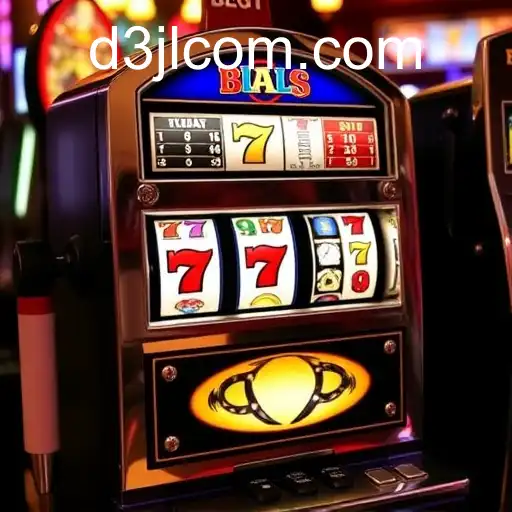
Understanding Slot Machines and Their Evolution
Slot machines, often associated with bright lights and the jingle of coins, have remained a core element of casinos around the world for more than a century. Known for their simplicity and chance-driven thrill, these gaming devices have captivated millions of players seeking entertainment and the hope of a jackpot. However, beyond the spinning reels and flashing lights lies a fascinating history of technology, psychology, and cultural phenomenon.
The Birth of the Slot Machine
The slot machine, as we recognize it today, was invented in the late 19th century. The first prototype, called the "Liberty Bell," was created by Charles Fey in 1895. This mechanical device featured three spinning reels adorned with five symbols: hearts, diamonds, spades, horseshoes, and the Liberty Bell itself. Pulling a lever set the reels in motion, and if three Liberty Bells lined up, the machine rewarded the lucky player with a jackpot of 50 cents.
Fey's invention gained rapid popularity, resulting in the proliferation of similar machines in bars and saloons across the United States. Due to the simplicity of its design and the appeal of winning a payout with little effort, slot machines became known as "one-armed bandits," a nod to both their lever and the perception that the machines were more likely to take money than give it.
Technological Advancements
As technology advanced throughout the 20th century, so did the design and functionality of slot machines. In the 1960s, the electro-mechanical slot machine appeared, introducing more complex mechanisms and larger payouts. These machines included features like flashing lights and sound effects, adding to the dazzlement and excitement.
The 1970s saw the advent of the video slot machine. Utilizing a computer chip to control the reels and determine outcomes, these machines allowed for more elaborate graphics and varying themes. No longer confined to spinning fruits or bells, video slots embraced a wide range of motifs, from popular films to ancient mythology.
Legal and Social Implications
Regulation of slot machines has always been a topic of debate. As gambling grew in popularity, so did efforts to control and regulate it. Some jurisdictions banned slot machines due to their association with gambling addiction and organized crime. Conversely, others embraced them as a source of state revenue, implementing stringent regulations to ensure fairness and combat illegal activities.
In recent years, the conversation surrounding slot machines has shifted towards responsible gaming. Casino operators and regulatory bodies are focusing on measures to protect players, such as self-exclusion programs, limits on maximum bets, and educational resources on gambling addiction.
The Rise of Online Slot Machines
With the advent of the internet, slot machines found a new home online. Digital versions of these games provide players the convenience of spinning the reels from anywhere at any time. Online slots offer an even greater variety of themes, bonus rounds, and payout structures, appealing to a broad audience of virtual players.
The rise of social media has also influenced the landscape of slot machines. Social casino games, which can be played online without betting real money, have attracted a demographic that might not usually engage with traditional casino fare. These platforms emphasize community interaction and leaderboard competitions, providing a different type of thrill.
Slot Machine Psychology
Central to the enduring allure of slot machines is their psychological design. The concept of the "near miss," where symbols almost align for a big win, encourages players to keep playing, driven by the belief that the next spin could result in a win. The random nature of the results, coupled with intermittent reinforcement, creates a compelling experience that can be addictively enjoyable.
Furthermore, the sensory appeal of slot machines cannot be overstated. The combination of bright visuals, engaging sound effects, and even the strategic release of fragrant smells in casinos contribute to a holistic entertainment experience, designed to maximize player engagement.
The Cultural Impact
Slot machines have permeated cultural consciousness beyond the casino floor. Their imagery and symbols are often used in popular media, demonstrating their iconic status. Movies, television shows, and music videos frequently depict characters engaging with these machines, illustrating varying themes from leisure to addiction.
In literature, slot machines often symbolize fate and randomness, serving as metaphors for life's unpredictable nature. This cultural integration reflects the slot machine's transition from a simple gaming device to a representation of deeper concepts and societal themes.
Conclusion
The story of the slot machine is one of innovation, regulation, and profound cultural influence. From its humble beginnings as the Liberty Bell to the immersive digital experiences of online slots, these games continue to evolve and adapt, maintaining their place as a beloved pastime for many. As technology and society progress, one can only speculate what the next chapter for slot machines will entail, potentially integrating virtual reality or furthering personalized gaming experiences.
877pub